Why I Started KAOMA Labs
From community work to field-informed engineering—a personal journey toward transparent wildfire prevention R&D
KAOMA Labs began years before any prototype existed—through community work. I founded and led the Forest Rangers Service Group, where I worked on campaigns to support forest fire volunteers and rangers both inside and outside school. That work made the wildfire problem personal and concrete: it is not a one-time crisis, but a recurring cycle that affects people's health, ecosystems, and the ability of communities to recover.
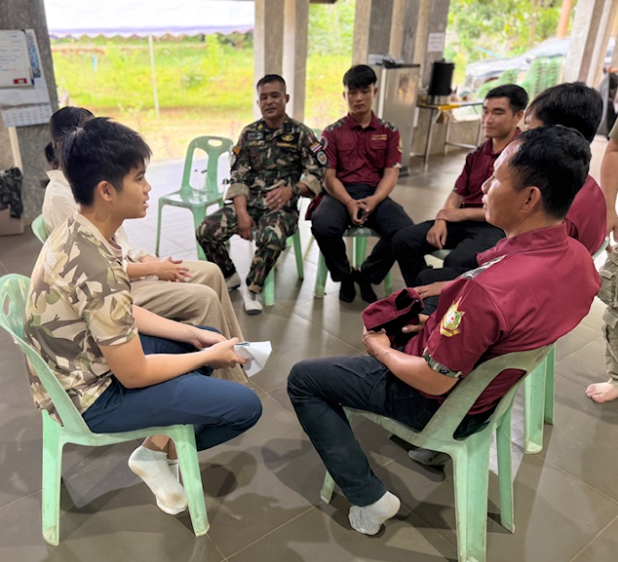
Community engagement and field work
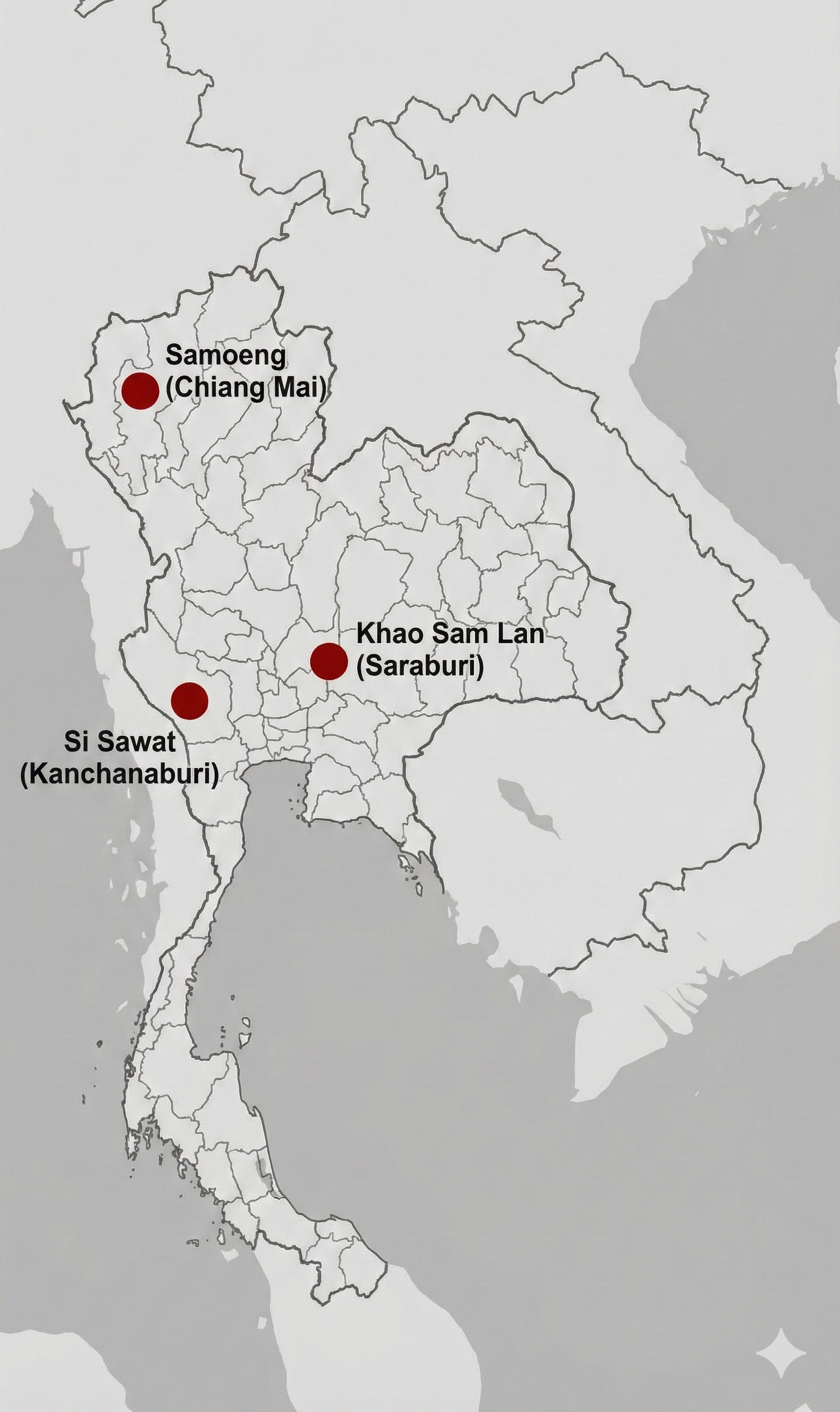
To understand the problem beyond headlines, I spent time learning directly from the field. I visited and gathered insights from Samoeng (Chiang Mai), Si Sawat (Kanchanaburi), and Khao Sam Lan (Saraburi), speaking with park rangers, wildfire volunteers, and local residents. Three themes were repeated consistently: wildfires return every year, many high-risk areas are hard to access, and once damage happens, it is difficult for nature and communities to return to what they were before.
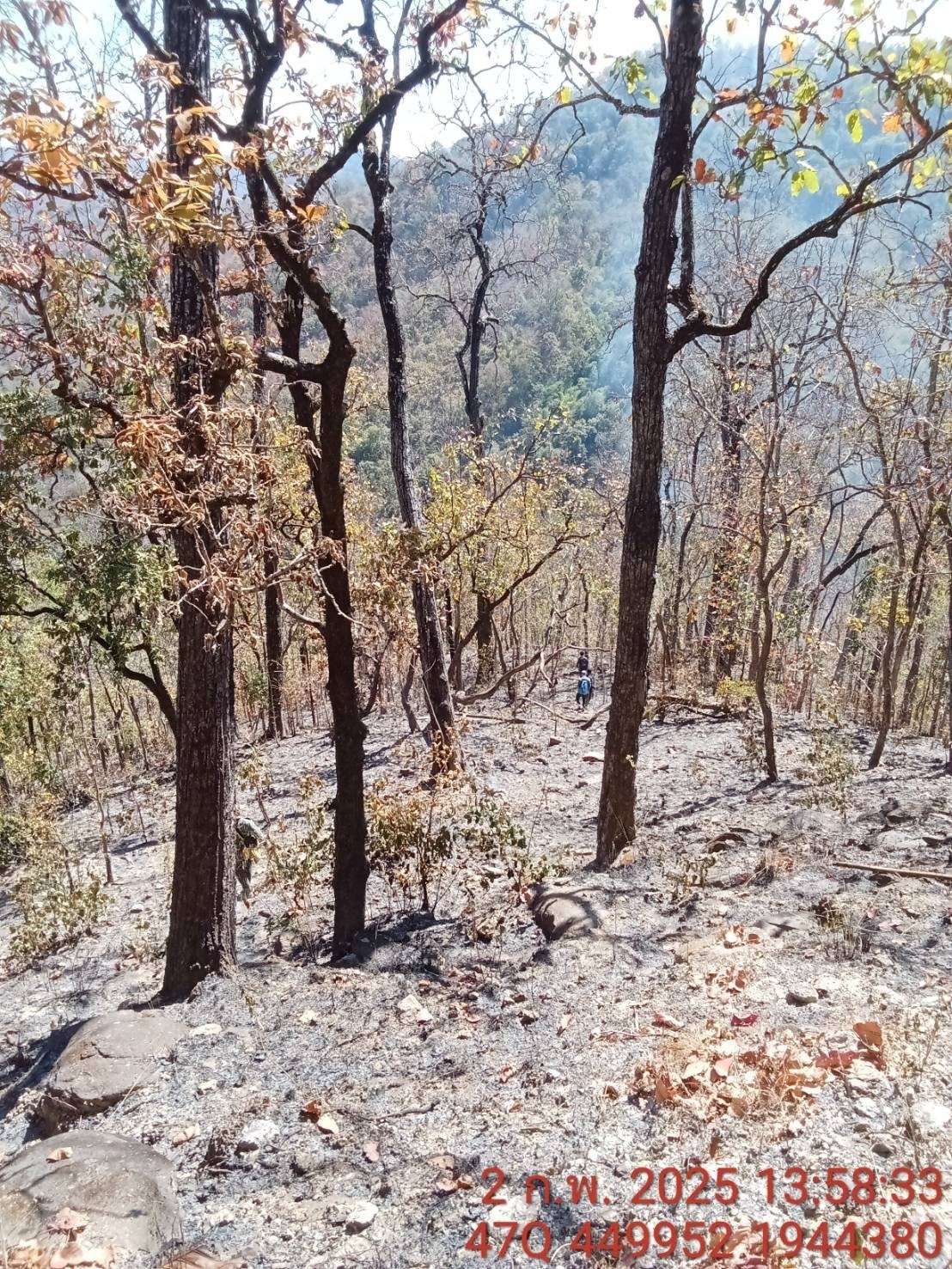
Challenging terrain and access conditions
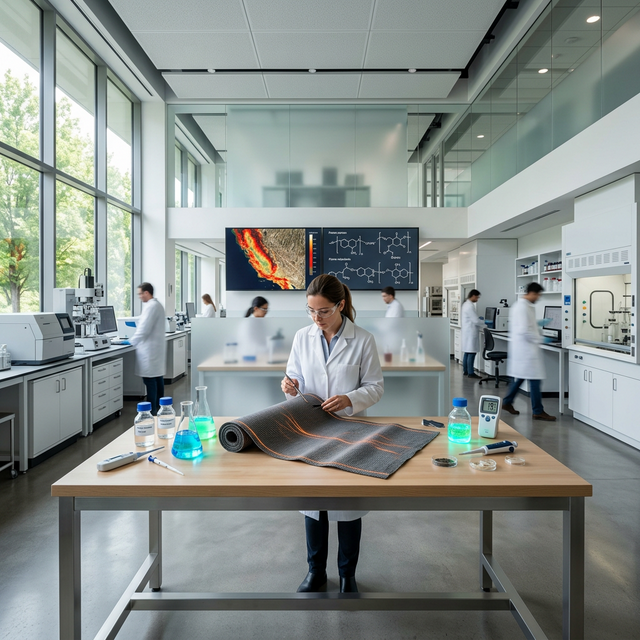
That field reality shaped my engineering direction—and also forced multiple pivots. I started with an early idea using Pa-Khao-Ma (cotton fabric) and boron-based flame retardants, then shifted away as I learned more about real-world constraints and safety boundaries. I pivoted next toward a chitosan-based retardant gel, which is now under lab screening to evaluate whether it can delay ignition and slow flame spread on selected surfaces. In parallel, the access challenge pushed the project toward a more operationally practical tool: a portable firebreak mat designed for deployment in hard-to-reach terrain. KAOMA Labs is my engineering response to a problem I saw up close and a commitment to validate solutions honestly.
These field visits shaped my understanding of the real constraints: access, logistics, and the recurring nature of wildfire challenges.